
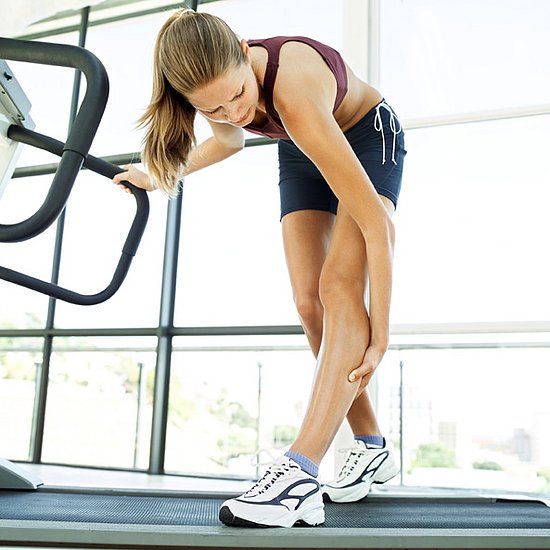
Learn how to avoid shin splints on treadmill with expert tips on incline, shoes, form, treatment & recovery. Injury-free running guide 2026. Shin splints, medically known as Medial Tibial Stress Syndrome, are a common problem for treadmill users especially beginners and those who increase their training intensity too quickly.
In this detailed guide, we will learn how to Avoid Shin Splints on Treadmill, including their causes, prevention, treatment, and best treadmill practices—all explained step-by-step.
What Are Shin Splints?
Avoid Shin Splints on Treadmill refer to pain along the front of the lower leg, which often occurs during treadmill running. This pain develops due to stress on the muscles, tendons, and around the shin bone.
Why Do Shin Splints Happen on a Treadmill?
Common reasons for shin splints while using a treadmill include:
-
Sudden increase in running speed or duration
-
Incorrect running or walking form
-
Poor treadmill shock absorption
-
Running for too long on a flat (0%) incline
-
Weak calf muscles
-
Improper running shoes
How to Avoid Shin Splints on Treadmill
By following the tips below, you can Avoid Shin Splints on Treadmill in both running and walking.
1. Wear Proper Running Shoes for Shin Splints
Footwear is the most important factor in preventing shin splints.
-
Shoes should be well-cushioned and supportive
-
They should match your foot type (flat feet / high arches)
-
Replace shoes after 300–500 miles
Proper running shoes absorb impact and reduce stress on the shin bone.
2. Use Correct Treadmill Incline Settings
Running for a long duration on a flat treadmill increases the risk of shin splints.
-
Use a 1–2% incline
-
This mimics natural outdoor running
-
Treadmill incline significantly reduces shin splints
3. Increase Training Gradually
Over training is a major cause of shin splints.
-
Increase speed and duration using the 10% rule
-
Avoid high intensity in a single day
-
Beginners should start with walking first
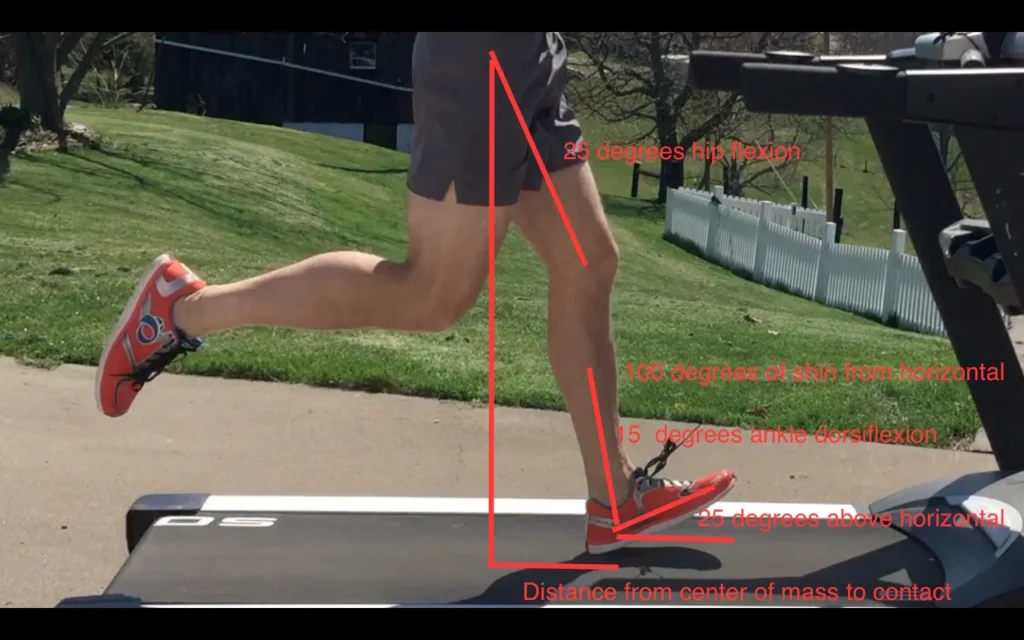
4. Improve Running & Walking Form
Incorrect form directs impact straight to the shins.
-
Land on your mid-foot (avoid heel strike)
-
Keep strides short
Maintain an upright posture
This rule is equally important for avoiding shin splints while walking on a treadmill.
5. Focus on Calf Strengthening Exercises
Weak calves worsen shin splints.
Best calf strengthening exercises:
-
Calf raises
-
Toe walks
-
Resistance band exercises
Strong calves provide better support to the shin bone.
6. Warm-Up & Stretching Are Mandatory
Before and after your workout:
-
5–10 minute brisk walk warm-up
-
Calf, Achilles, and shin stretches
-
Slow walk for cool-down
Stretching keeps muscles flexible and reduces injury risk.
7. Add Cross-Training
Daily treadmill running increases shin stress.
Low-impact alternatives:
-
Swimming
-
Cycling
-
Elliptical trainer
Cross-training speeds up recovery.
8. Choose a Treadmill with Good Shock Absorption
Poor treadmill decks do not absorb impact well.
Look for:
-
Cushioned deck
-
Advanced treadmill shock absorption technology
-
Adjustable incline options
How to Treat Shin Splints from Treadmill Running
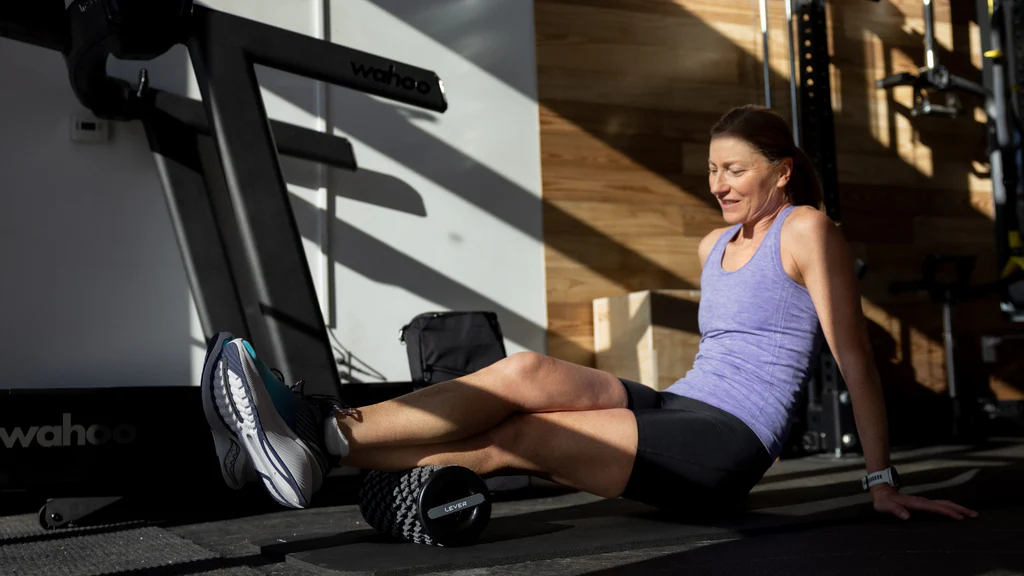
If pain has already started, do not ignore it.
Effective Treatment Methods:
-
Rest: Temporarily stop the painful activity
-
Ice: Apply for 15–20 minutes, 3–4 times daily
-
Compression: Use compression sleeves
-
Elevation: Rest with legs elevated
-
Pain relief: Mild painkillers (with doctor’s advice)
Only resume workouts after the pain subsides.
Shin Splints While Walking on a Treadmill
Shin splints are less common in walking compared to running, but they are still possible.
Common causes:
-
Sudden long-duration walking
-
Flat treadmill surface
-
Poor footwear
-
Weak lower-leg muscles
Solution:
-
Use a slight incline
-
Improve walking posture
-
Wear supportive shoes
Best Treadmill Features to Reduce Shin Splints
No treadmill can 100% prevent shin splints, but some features are helpful:
-
Cushioned deck
-
Adjustable incline
-
Stable belt system
-
Shock-absorbing technology
These features evenly distribute impact.
When Should You See a Doctor?
If:
-
Pain persists for 2–3 weeks
-
There is swelling or sharp pain
-
Daily activities are affected
Then consult a sports medicine specialist or physiotherapist.
Bonus: Frequently Asked Questions (FAQ)
❓ Can you get shin splints from using a treadmill?
✅ Yes. If your form is incorrect, you’re running too fast or too long, or your shoes are un supportive, shin splints can occur.
❓ Should I walk/run on the treadmill if I have shin splints?
✅ No. If you’re in pain, rest completely and follow treatment. Only restart gently once the pain is gone.
❓ What is the best treadmill incline to prevent shin splints?
✅ A 1–2% incline is ideal. It simulates natural running and reduces pressure on the shins.
❓ Can you get shin splints from walking?
✅ Yes, absolutely. If you walk for extended periods on a flat surface or wear improper shoes, shin pain can develop even from walking.
❓ What is the permanent solution for shin splints?
✅ The permanent fix lies in proper training, strong muscles, and correct form. Treatment relieves pain, but prevention is the long-term solution.
Final Thoughts
If you want to avoid shin splints on a treadmill, don’t rely on just one thing.
Proper shoes, gradual training, correct incline, calf strengthening exercises, and recovery—all work together to prevent shin splints.
If you follow these tips, you can make your treadmill workouts safe, effective, and pain-free!
