
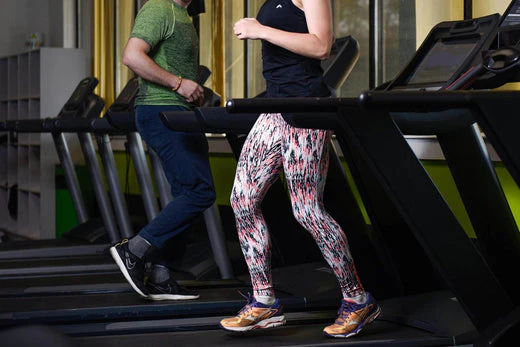
Walking backward on the treadmill also known as reverse walking on treadmill or retro walking treadmill is a unique yet highly effective exercise that is gaining popularity in fitness, rehabilitation, and physical therapy programs. Although it may look simple, this movement challenges the body in ways that traditional forward walking cannot.
This guide explains how to walk backward on a treadmill safely, its benefits, recommended duration, and why it is especially helpful for knee health and balance.
What Is Walking Backward on the Treadmill?
Walking backward on the treadmill involves stepping in the opposite direction of the moving belt while maintaining proper posture and balance. Unlike forward walking, backward movement shifts muscle activation, reduces repetitive joint stress, and improves coordination.
Fitness professionals often include backward walking treadmill workouts for:
- Injury prevention
- Knee rehabilitation
- Athletic conditioning
- Balance and coordination training
Is Walking Backward on the Treadmill Safe?
Many people ask: is walking backward on treadmill safe?
The answer is yes, provided it is done correctly and with proper precautions.
Safety Guidelines:
- Start at a slow speed (0.5–1 mph)
- Hold the handrails, especially as a beginner
- Keep your posture upright and core engaged
- Take small, controlled steps
- Stop immediately if you feel pain, dizziness, or discomfort
When safety guidelines are followed, backward walking on treadmill is considered a low-impact and joint-friendly exercise.
How to Walk Backward on a Treadmill (Proper Technique)
Using correct form is essential to avoid injury and gain maximum benefit.
Step-by-Step Instructions:
- Stand on the treadmill and set a low speed
- Hold the side rails firmly
- Step backward one foot at a time
- Land on your toes first, then roll toward your heels
- Engage your core muscles for stability
- Keep your eyes forward, not behind
As balance improves, you can slowly reduce reliance on the handrails.
Walking Backwards on Treadmill Benefits
1. Improved Muscle Activation
Backward walking activates muscles differently than forward walking, especially:
- Quadriceps
- Hamstrings
- Glutes
- Calves
This makes reverse treadmill walking effective for strengthening underused muscle groups.
2. Backward Treadmill Walking for Knees
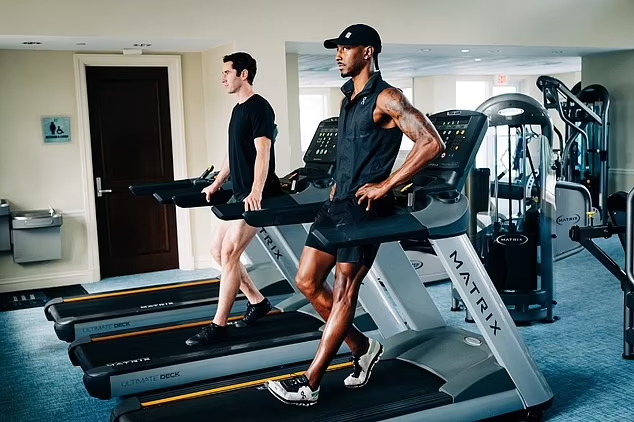
One of the biggest advantages is backward treadmill walking for knees. Physical therapists often use this movement to support knee recovery.
- Potential knee benefits include:
- Reduced joint impact
- Strengthened quadriceps muscles
- Improved knee stability and control
- Because of this, backward treadmill exercise for knee pain may help individuals with mild discomfort when performed under professional guidance.
3. Better Balance and Coordination
Backward movement challenges proprioception (body awareness), leading toImproved balance
- Better coordination
- Reduced risk of falls
This makes it especially beneficial for older adults and athletes.
4. Increased Calorie Burn
Due to higher muscle engagement and unfamiliar movement patterns, walking backward on the treadmill may burn more calories than forward walking at the same speed.
5. Cardiovascular and Endurance Benefits
Although low impact, backward treadmill walking raises the heart rate and improves cardiovascular endurance without excessive joint stress.
6. Cognitive and Mental Benefits
The brain works harder during unfamiliar movements, helping improve:
- Focus
- Reaction time
- Motor coordination
7. Posture Improvement
Backward walking encourages an upright posture and can help counteract the negative effects of prolonged sitting.
Backward Walking Treadmill Workout (Duration & Frequency)
Beginner Level
- Speed: 0.5–1 mph
- Time: 3–5 minutes
- Frequency: 2–3 times per week
Intermediate Level
- Speed: 1–2 mph
- Time: 10–15 minutes
- Frequency: 3–4 times per week
Advanced Level
- Speed: 2–3 mph
- Time: 20–30 minutes
- Frequency: 3–5 times per week
These guidelines represent an ideal treadmill walking backward duration for most fitness levels.
Common Mistakes to Avoid
- Starting at a high speed
- Letting go of handrails too early
- Leaning backward
- Taking long, uncontrolled steps
- Ignoring pain or discomfort
Avoiding these mistakes reduces injury risk and improves results.
Who Should Avoid Backward Treadmill Walking?
Consult a healthcare professional before starting if you have:
- Severe balance disorders
- Vertigo or dizziness
- Serious knee, ankle, or spinal injuries
- Neurological conditions
Backward treadmill walking is not suitable for everyone.

Alternatives to Walking Backward on the Treadmill
If treadmill use feels uncomfortable, consider:
- Backward walking on flat ground
- Resistance band reverse walking
- Elliptical reverse motion
- Supervised physical therapy exercises
Final Thoughts
Walking backward on the treadmill is a powerful, low-impact exercise that improves muscle strength, balance, knee health, and cardiovascular fitness. When performed safely and consistently, retro walking treadmill workouts can significantly enhance overall physical performance.
Start slowly, focus on proper form, and always listen to your body.
