

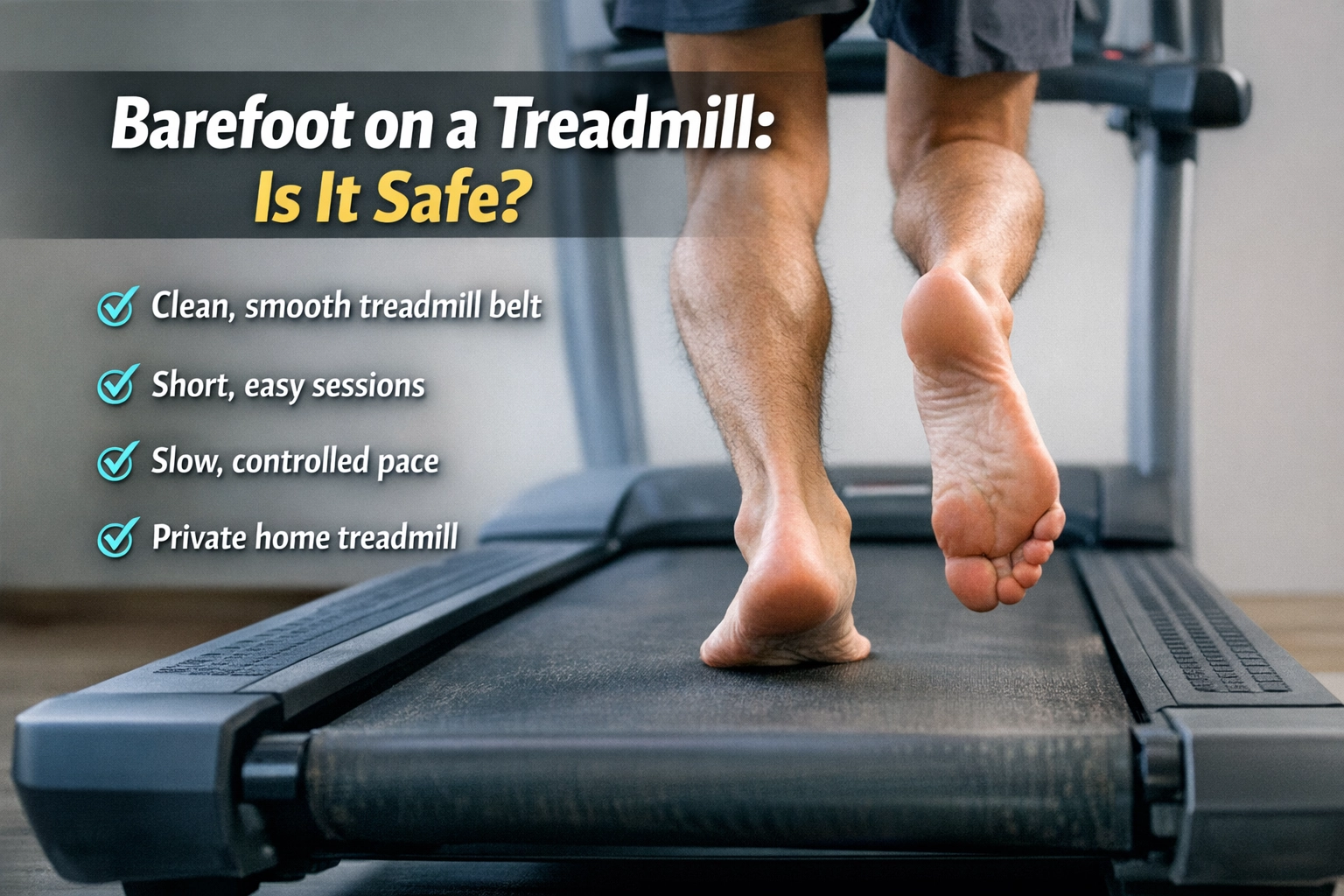
Running or walking on a treadmill without shoes sounds simple—but the moving belt changes everything. Your foot meets a surface that’s constantly sliding beneath you, which increases friction, heat, and the chance of slipping if the belt is dusty or your foot gets sweaty.
The good news: barefoot treadmill walking (and even a light jog) can be safe in certain situations. The bad news: going barefoot too fast, too long, or on the wrong treadmill can lead to blisters, belt burns, toe bumps, and overuse injuries.
Quick answer: can you use a treadmill barefoot?
Yes—you can use a treadmill barefoot, but it’s safest when:
you’re on a clean home treadmill
the belt feels like a smooth tread (not rough or cracked)
you’re doing short, easy sessions (especially at first)
-
you’re walking or jogging at a controlled pace (not sprints or hard incline)
If you’re using a public gym treadmill, doing intervals, or trying barefoot for the first time, it’s usually safer to use grip socks, minimalist shoes, or proper treadmill shoes.
Helpful internal links (add naturally in your post):
-
Barefoot vs socks vs minimalist shoes vs running shoes (what’s best?)
-
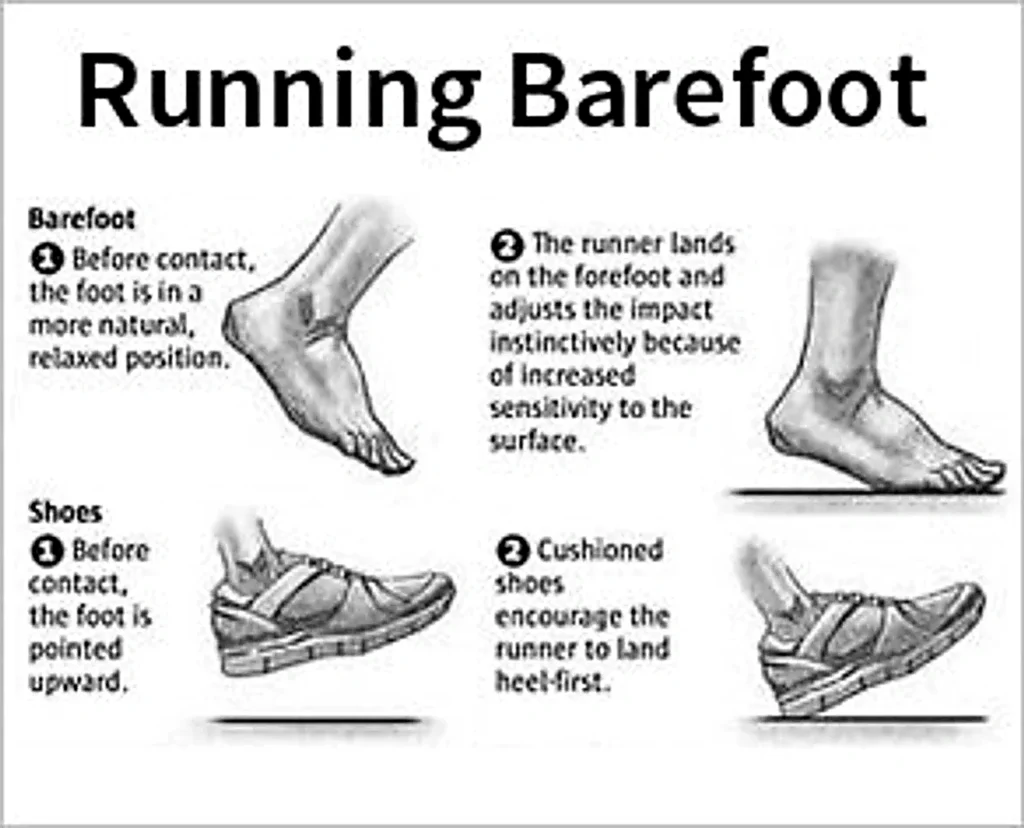
Barefoot isn’t automatically “better”—it’s just different. Here’s the practical breakdown:
-
Barefoot (no shoes): maximum feel, but maximum friction risk. Best for short, controlled walking or light jogging once you’re adapted.
-
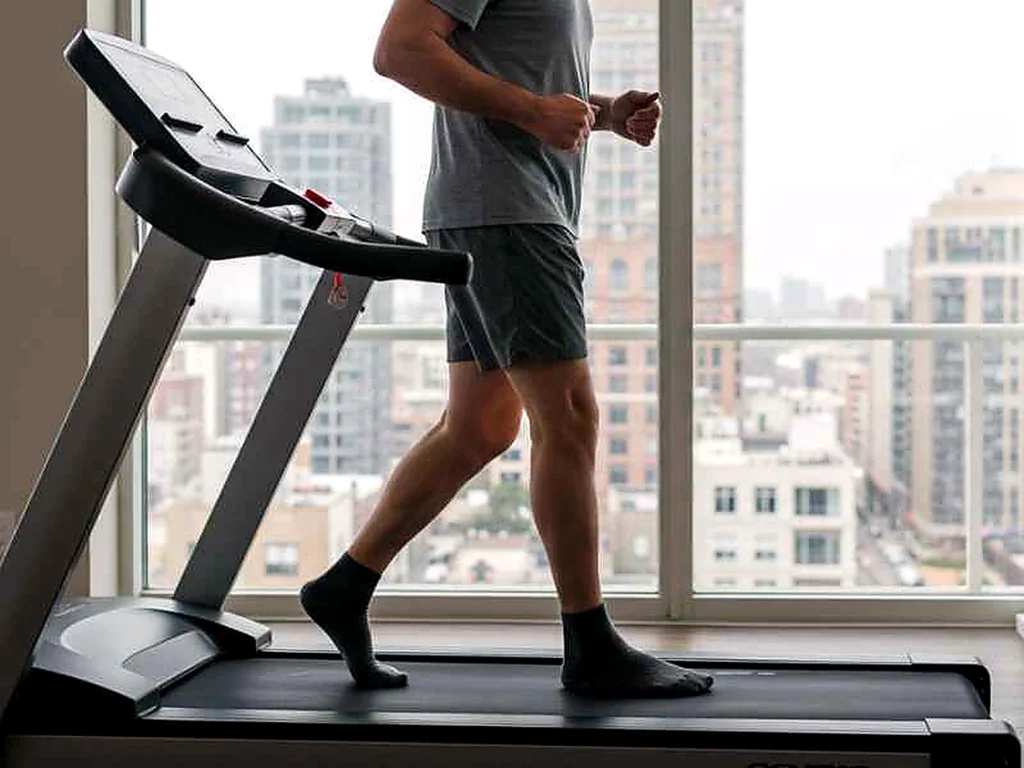
Socks: can work at home, but slipping is the big risk unless socks have grip.
-
Minimalist / barefoot shoes (zero-drop): the best transition for many people—more protection with a natural feel.
-
Regular running shoes: safest for most people, especially for longer runs or higher speeds.
-
When barefoot treadmill walking is actually OK
If you’re asking “can I walk barefoot on a treadmill” or “can you walk on a treadmill barefoot,” the real answer depends on the setup.
Barefoot treadmill walking is usually OK when:
-
the treadmill is yours (home treadmill) and you can keep it clean
-
the belt is in good condition (no rough patches, cracks, lifted seams)
-
you start with a low speed and a short duration
-
you stop immediately if you feel hot spots, rubbing, or slipping
This also applies to common questions like walking on treadmill barefoot, barefoot walking treadmill, and walking barefoot on treadmill—it can be fine, but only if the belt is clean and you go slow at first. -
-
When it’s NOT a good idea to go barefoot on a treadmill
Avoid barefoot treadmill sessions if any of these are true:
-
it’s a public treadmill (hygiene + unknown belt condition)
-
you’re doing sprints, intervals, or steep incline
-
you have current foot pain or recurring issues (Achilles pain, plantar fascia pain, stress fracture history)
-
you’re new to barefoot training and you plan to “test it” with a long run
-
you often get shin pain—this helps:
-
The real risks (and why people get hurt)
1) Blisters and friction burns
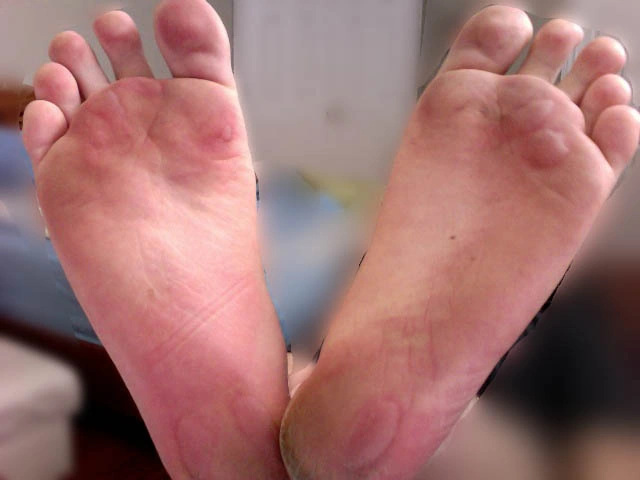
The treadmill belt can create repetitive rubbing in the same place—especially on the forefoot, midfoot edges, and heel. “Hot spots” become blisters quickly.
-
2) Overuse injuries from switching too fast
Barefoot training can increase load on the calves, Achilles tendon, and forefoot/metatarsals. Most problems come from “too much too soon,” not from barefoot itself.
3) Slipping and traction problems
Sweat, dust, and some belt materials reduce grip. Socks without traction can be even more slippery.
4) Toe bumps at the front of the treadmill
Drifting forward can cause toe contact with the front housing—keep your position centered.
-
Barefoot treadmill safety checklist (do this first)
-
Clean the belt (dust + sweat increases slipping and friction).
Use this guide -
Inspect belt surface: avoid rough tread, cracks, lifted seams, sharp edges.
-
Start slow: short sessions at low speed first.
-
Stay centered: don’t drift too far forward or back.
-
Best technique cues (walking + running)
Barefoot walking tips
-
Stand tall, relaxed shoulders
-
Take slightly shorter steps (don’t reach forward)
-
Land softly under your body
-
Keep speed easy until you’re confident
Barefoot running tips
-
Shorter stride + higher cadence often helps
-
Don’t force a forefoot strike—just stay light
-
Start with easy pace first
Use a realistic pace guide here -
Safer alternatives if shoes feel uncomfortable
If your goal is comfort but you still want safety:
-
Grip socks (home treadmill only)
-
Minimalist/barefoot shoes: great transition option—protects skin and reduces friction injuries
-
Lightweight treadmill shoes: best for most people over longer sessions
-
FAQ
1) Can I walk barefoot on a treadmill?
Yes—barefoot treadmill walking is usually okay on a clean home treadmill at a slow speed and for a short time (start 5–10 minutes). Avoid public gym treadmills (hygiene + unknown belt wear). If you feel rubbing or slipping, stop and switch to grip socks or shoes.
Internal help: How to clean the treadmill2) Is it safe to walk on a treadmill without shoes?
It can be safe if the belt is clean, you have good traction, and you use the safety clip. It becomes unsafe when the belt is dusty/rough, you sweat a lot (slipping), or you have reduced foot sensation/foot pain.
Internal help: Treadmill safety key guide3) Can you run barefoot on a treadmill?
Yes, but barefoot treadmill running is higher risk than walking. Only try it if you’re already adapted and keep it easy and short—no sprints, no steep incline at first. Choose a truly easy pace so you don’t overdo it.
Internal help: Treadmill pace chart4) Is walking barefoot on a treadmill good for you or better than shoes?
Sometimes. It may improve foot awareness and light strengthening, but it’s not automatically “better.” For longer sessions, most people do better with minimalist shoes or proper treadmill shoes because they reduce friction and overuse risk.
Internal help: Treadmill shoes guide5) How do I avoid blisters or “belt burns” when barefoot on a treadmill?
Clean and inspect the belt, start short, stay centered, and stop at the first “hot spot.” Keep steps light and avoid overstriding (overstriding increases rubbing). If traction is an issue, use grip socks or minimalist shoes.
Internal help: Run on the treadmill with socks
Internal help: How to clean the treadmill6) What if I get shin pain, calf tightness, or foot soreness after going barefoot?
That usually means you progressed too fast. Reduce time/intensity, add rest days, and consider switching to minimalist shoes or normal shoes until symptoms settle. If shin pain is recurring, fix it before increasing barefoot volume.
Internal help: Avoid shin splints on treadmill
-
-
-
-
-

