A Treadmill Pace Chart is one of the most useful tools for runners and walkers who train indoors. It helps you convert treadmill speed (mph or km/h) into running pace (minutes per mile or minutes per kilometer) so you can maintain consistent effort during workouts.
Whether you are training for weight loss, endurance, or a race, using a treadmill pace chart ensures accurate and goal-oriented treadmill running.
What Is a Treadmill Pace Chart?
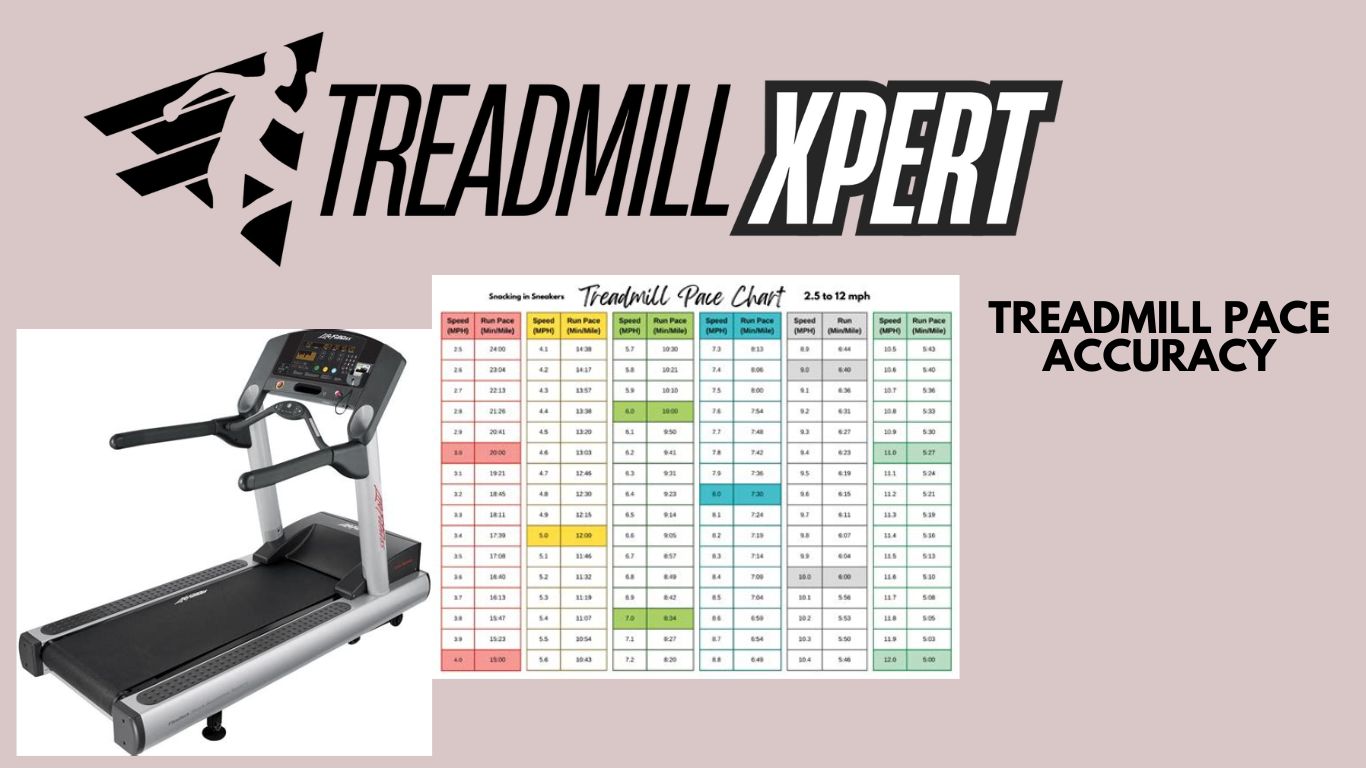
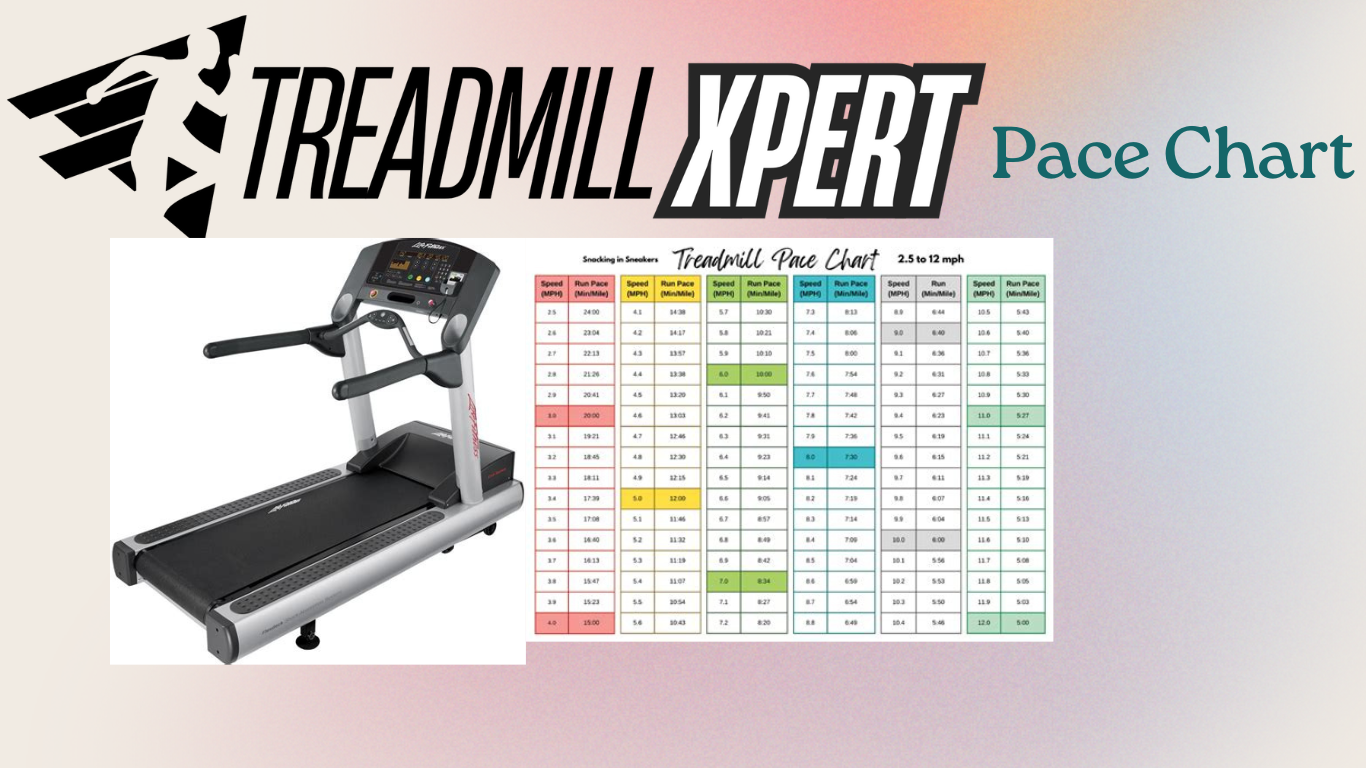
A treadmill pace chart is a reference table that shows the relationship between speed and pace. Since most treadmills display speed in mph or km/h, while runners usually track progress in pace, this chart bridges the gap.
A running pace chart treadmill allows you to instantly see how fast you are running without mental calculations.
Why You Need a Treadmill Pace Chart for Training
Using a treadmill speed chart provides multiple benefits:
- Keeps indoor and outdoor running pace consistent
- Helps control workout intensity
- Improves pacing for long runs and interval training
- Reduces risk of overtraining or undertraining
- Saves time during treadmill workouts
- For beginners, it removes confusion. For experienced runners, it brings precision.
Treadmill Pace Chart – MPH to Min/Mile & KM/H
Below is an accurate treadmill pace chart mph to min mile and km/h conversion table:
| Speed (MPH) | Pace (Min/Mile) | Speed (KM/H) | Pace (Min/KM) |
|---|---|---|---|
| 4.0 | 15:00 | 6.4 | 9:23 |
| 4.5 | 13:20 | 7.2 | 8:18 |
| 5.0 | 12:00 | 8.0 | 7:30 |
| 5.5 | 10:55 | 8.9 | 6:44 |
| 6.0 | 10:00 | 9.7 | 6:12 |
| 6.5 | 9:14 | 10.5 | 5:42 |
| 7.0 | 8:34 | 11.3 | 5:19 |
| 7.5 | 8:00 | 12.1 | 4:58 |
| 8.0 | 7:30 | 12.9 | 4:39 |
| 9.0 | 6:40 | 14.5 | 4:08 |
| 10.0 | 6:00 | 16.1 | 3:44 |
This treadmill pace chart km/h is ideal for both walking and running workouts.
How to Use a Treadmill Pace Chart Correctly
Step 1: Define Your Goal
Decide if your workout is for fat loss, endurance, speed, or recovery.
Step 2: Convert Pace to Speed
Use the treadmill pace chart to match your desired pace with treadmill speed.
Step 3: Warm Up Properly
Start with 5–10 minutes at a slower treadmill speed to prevent injury.
Step 4: Maintain Consistent Effort
Monitor your heart rate or perceived effort and adjust speed if necessary.
Step 5: Cool Down
Gradually reduce treadmill speed for recovery.
 Treadmill Pace Chart for Different Training Zones
A treadmill pace chart supports structured training:
Easy Pace
Improves endurance and recovery
(Usually 60–70% effort)
Tempo Pace
Builds speed and stamina
(Comfortably hard pace)
Interval Pace
Improves speed and VO₂ max
(Short bursts of fast running)
Using the chart helps maintain proper treadmill workout pace for each zone.
Treadmill Pace vs Outdoor Running
Treadmill running lacks wind resistance and terrain changes. To simulate outdoor running:
Set treadmill incline to 1%
- Slightly reduce speed when incline increases
- Use the pace chart as a baseline reference
This adjustment keeps indoor running pace realistic.
Treadmill Pace Calculator (2026 Guide)
A treadmill pace calculator instantly converts speed to pace and pace to speed. Most calculators support speeds from 3.0 mph (walking) to 12.0 mph (fast running).
Using both a calculator and a treadmill pace chart gives the most accurate results.
Best Treadmill Pace for Beginners
- Walking: 3.0–4.0 mph
- Jogging: 4.5–5.5 mph
- Running: 6.0–7.0 mph
Beginners should focus on consistency rather than speed.
Frequently Asked Questions (FAQs)
Is treadmill pace accurate?
Yes, treadmill pace is accurate for controlled workouts, though outdoor conditions may vary.
Can I use a treadmill pace chart for walking?
Absolutely. Pace charts work for both walking and running.
Does incline affect treadmill pace?
Yes. Increasing incline increases effort, so speed may need adjustment.
Final Thoughts
A Treadmill Pace Chart 2025 is a must-have resource for anyone serious about treadmill training. It simplifies speed-to-pace conversion, improves workout efficiency, and helps runners train smarter and safer.