
Have you ever noticed that running on a Treadmill Workout can feel more exhausting than running outdoors, even at the same pace? You’re not imagining it. Many fitness enthusiasts struggle with treadmill running difficulty, and it’s a common question: why does treadmill running feel harder than outdoor running? In this guide, we’ll explore the reasons behind this phenomenon and provide actionable treadmill tips to make your indoor workouts smoother, more comfortable, and effective.
Why Treadmill Workouts Feel Harder Than Outdoor Running
Running indoors on a treadmill may seem simpler, but several factors make it surprisingly challenging:
1. Lack of Air Resistance
When running outside, your body naturally leans slightly forward to counter air resistance. On a treadmill, there is no forward airflow, which slightly alters your running mechanics and can make the workout feel harder.
2. Mental Factors
Running in place can be psychologically tougher. The monotony of a stationary environment, coupled with constantly watching the timer or distance, can make your treadmill workout feel longer and more exhausting.
3. Belt Motion
The moving treadmill belt changes how your muscles engage slightly. Your stride and balance adjust to the belt, which can increase perceived difficulty over time.
4. Heat Build-Up
Indoor gyms or home treadmills often lack proper ventilation. Without airflow, sweat accumulates, and your body heats up faster, making the treadmill workout feel more intense.
5. Constant Pace
Unlike outdoor running, where your speed naturally varies with terrain or wind, treadmill workouts maintain a consistent pace. This constant rhythm can fatigue muscles more quickly.
6. Softer Surface
Treadmill decks are cushioned to reduce impact, but this softness absorbs some of your energy. While easier on joints, it can make sustaining your pace slightly harder.
7. Calibration Issues
If your treadmill isn’t correctly calibrated, it might display a lower speed or incline than what’s actually happening, increasing treadmill running difficulty without you realizing it.
8. Limited Stride Variation
Outdoor terrain forces your muscles to adapt to slopes, turns, and uneven surfaces. On a treadmill, lack of variation can lead to faster muscle fatigue.
Practical Treadmill Tips to Make Workouts Easier
Fortunately, there are several ways to reduce treadmill running difficulty and make your treadmill workout more effective and enjoyable.
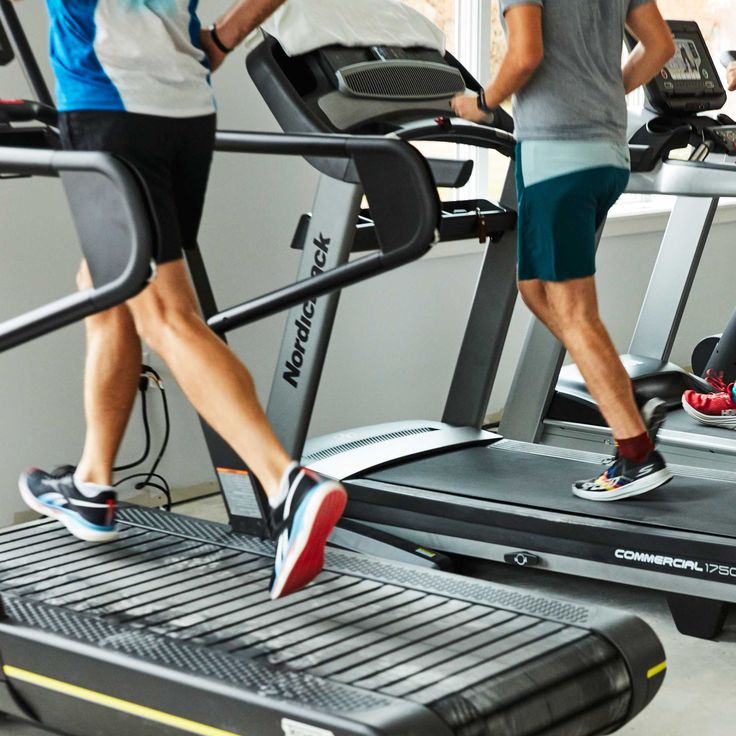
1. Set a Slight Incline
Use a 1-2% treadmill incline to better simulate outdoor running conditions. This small adjustment reduces the feeling of running on flat terrain indoors.
2. Vary Your Workout
Incorporate interval training by alternating speeds or incline levels. This not only reduces monotony but also improves endurance and simulates outdoor conditions.
3. Improve Air Circulation
Position a fan nearby or run in a well-ventilated space. Better airflow helps control body temperature and reduces heat build-up.
4. Use Entertainment
Listening to music, podcasts, or watching TV can distract you from the treadmill’s repetitive motion and make your workout feel easier.
5. Gradually Increase Duration
Start with shorter treadmill sessions and gradually increase your workout length as your endurance improves.
6. Check Treadmill Calibration
Ensure your treadmill is properly calibrated for speed and incline to avoid overexertion.
7. Adjust Your Running Form
Maintain proper posture: head up, shoulders relaxed, and arms moving naturally. Focus on a smooth gait that mimics outdoor running.
8. Warm Up Properly
Begin with a walking warm-up to gradually prepare your muscles and joints for the treadmill workout.
9. Use Visual Cues
Face the treadmill towards a window, TV, or use a virtual running app to simulate outdoor scenery.
10. Alternate With Outdoor Runs
Mix treadmill sessions with outdoor runs to maintain adaptability and reduce treadmill running difficulty over time.
11. Stay Hydrated
Drink water before and during your workout to combat dehydration and overheating.
12. Wear Appropriate Shoes
Use running shoes suitable for treadmill use with adequate cushioning to protect your joints and improve comfort.
Treadmill Walking Tips for Less Strenuous Workouts
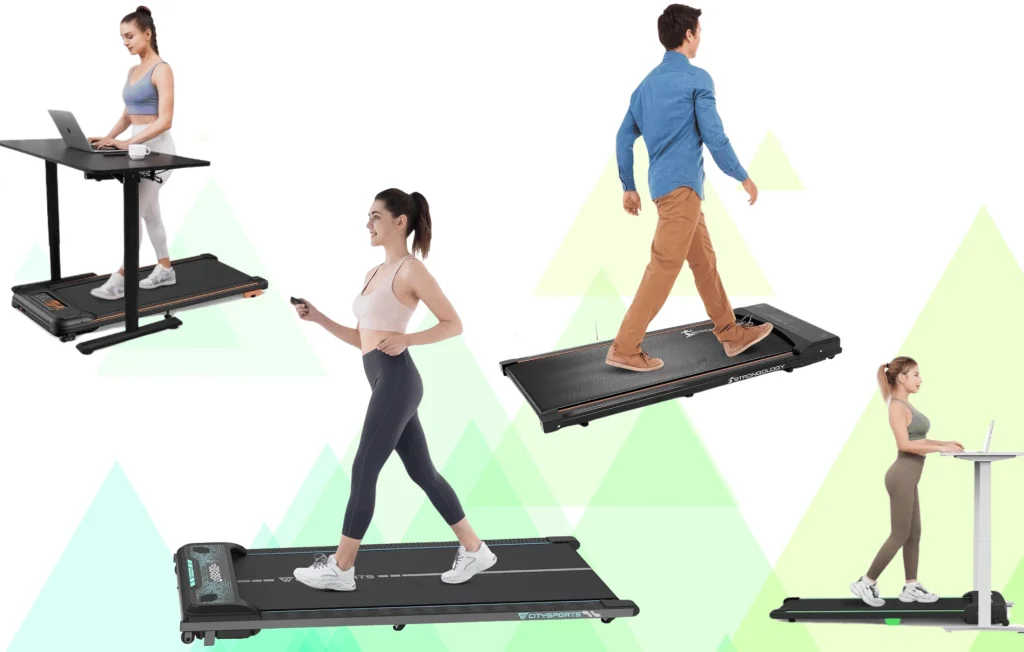
Walking on a treadmill can also feel tougher than expected. Here are some expert treadmill walking tips:
-
Start Slow: Begin at a comfortable pace and gradually increase speed.
-
Use Proper Form: Keep your head up, shoulders relaxed, and arms swinging naturally.
-
Adjust the Incline: Even a small incline (0.5-1%) can make walking feel more natural and engaging.
-
Break Up Your Session: Take short pauses or vary speed to avoid monotony.
-
Distract Yourself: Music or TV can make treadmill walking feel easier.
-
Handrail Usage: Use sparingly; excessive use can affect natural stride.
-
Stay Hydrated: Drink water throughout your walk.
-
Footwear Matters: Wear shoes with proper support and cushioning.
-
Warm Up: Start with a slow walk before increasing speed.
-
Best Treadmill Models for Comfortable Workouts
Some treadmill models are specifically designed to reduce treadmill running difficulty:
-
Cushioned Deck Treadmills: Brands like NordicTrack and Precor use advanced shock absorption systems to minimize joint stress.
-
Larger Belt Treadmills: Wider belts (22”+) provide more space for a natural stride.
-
Self-Powered Curved Treadmills: Non-motorized models like Woodway Curve allow natural pace control, similar to outdoor running.
-
High-End Motorized Treadmills: Premium models from Landice, Life Fitness, or Technogym offer smoother motors and better build quality.
-
Incline Trainers: Treadmills with longer belts and adjustable incline allow less strenuous walking or jogging at variable intensities.
-
Treadmill vs Outdoor Running: Key Differences
-
Factor Treadmill Outdoor Running Air Resistance Minimal Natural wind resistance Terrain Variation Limited Varies (hills, slopes, paths) Pace Flexibility Constant Natural speed variation Mental Engagement Monotonous Engaging scenery Heat & Ventilation Limited airflow Natural airflow -
Understanding these differences helps you adjust your treadmill workout and reduce perceived difficulty.
-
Conclusion
Treadmill workouts can feel harder than outdoor running due to multiple factors: lack of air resistance, constant pace, limited stride variation, and heat build-up. However, with the right treadmill tips, incline adjustments, walking strategies, and proper form, you can make indoor running or walking enjoyable and highly effective. Mix treadmill and outdoor workouts, use proper footwear, and choose the right treadmill model for the best results.
By following these expert tips, you can overcome treadmill running difficulty and enjoy every treadmill workout session—making it a key part of your fitness routine.
-
